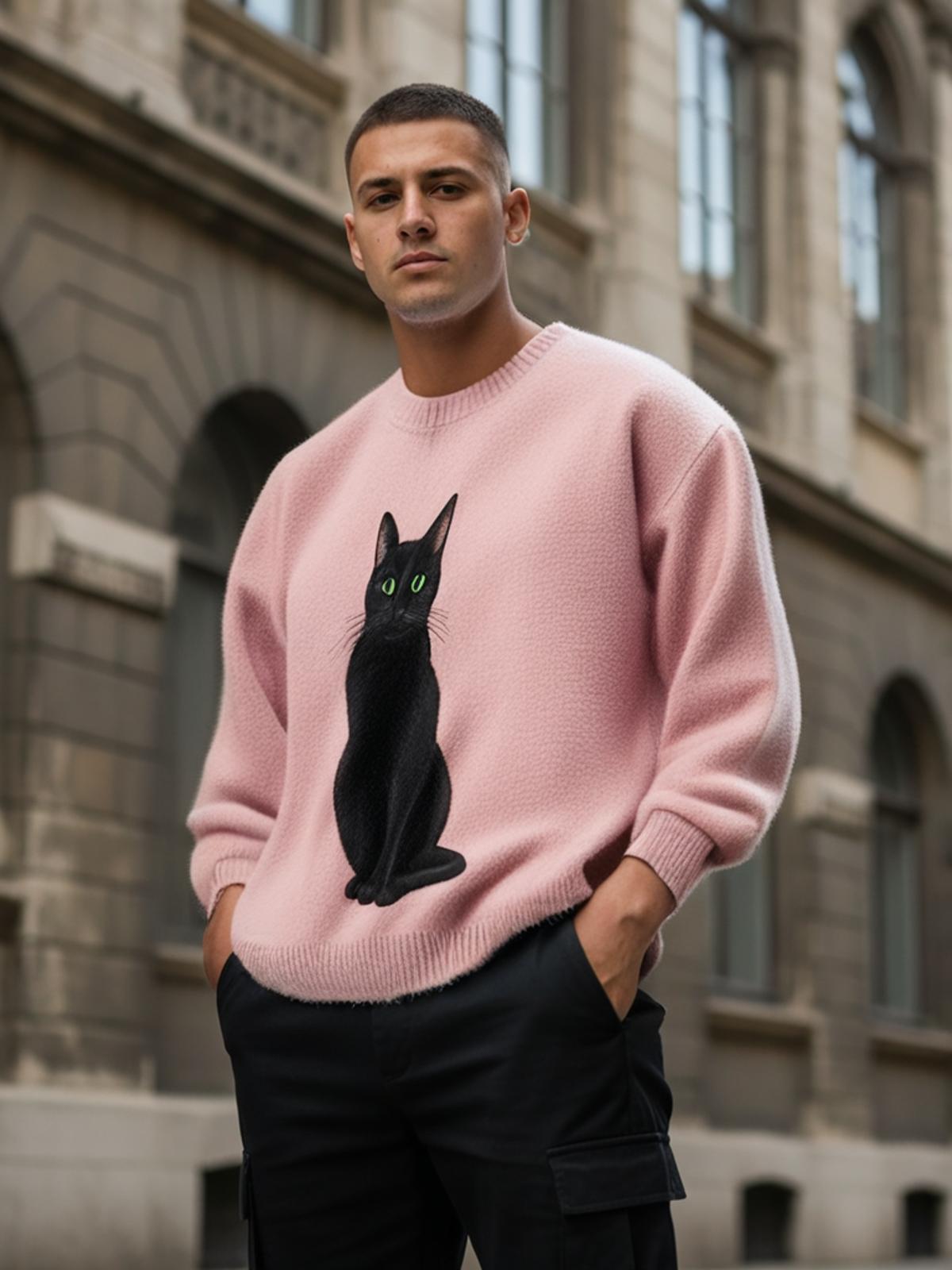
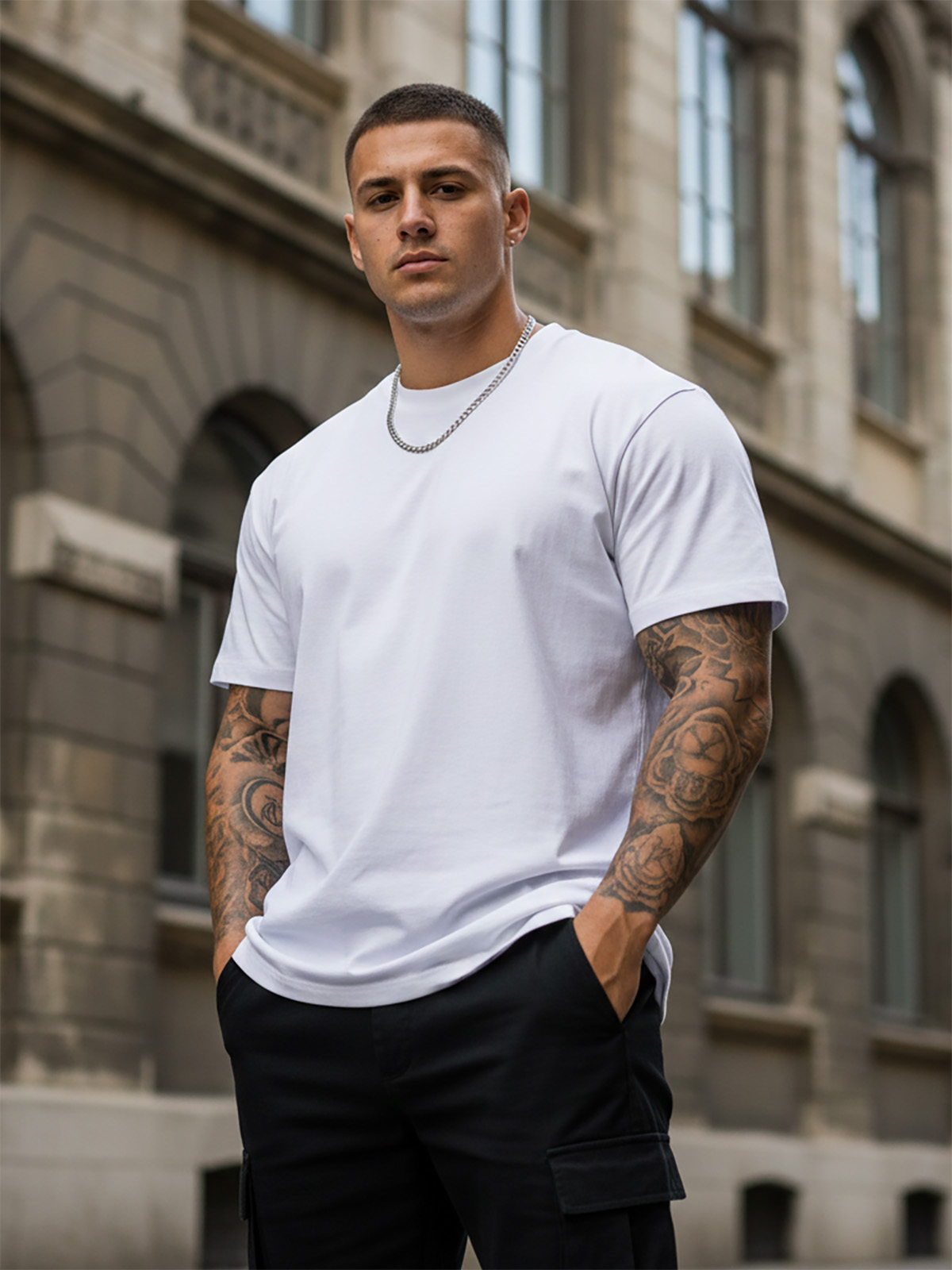
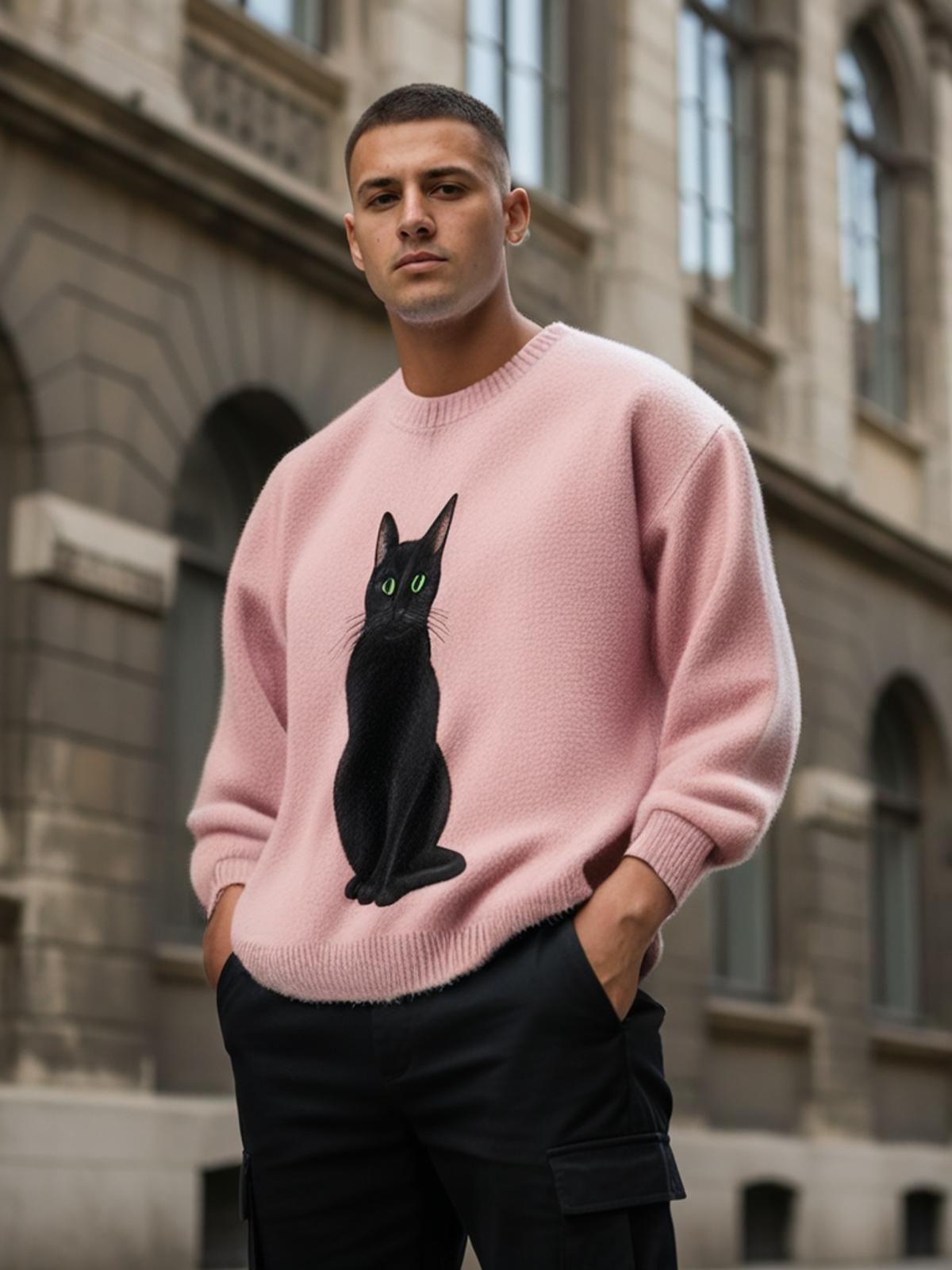
This guide is written to cover ai clothes changer search intent in natural language, including workflow setup, quality control, creator use cases, ecommerce production needs, and practical optimization tips for consistent virtual try-on outcomes.
What an AI Clothes Changer Actually Does
An ai clothes changer is a web tool that replaces a garment in a photo while keeping the person, pose, and scene as consistent as possible. Instead of scheduling a new shoot for every color or style, you can test multiple looks from one base image. This workflow helps when you need fast decisions, clear visual direction, and low production overhead. A good result should preserve body proportion, neckline logic, fabric drape, and lighting consistency so the output looks like a real outfit choice, not a pasted layer.
Why E-commerce Teams Use It for Product Validation
For online stores, speed matters because product pages, ads, and social posts all compete for attention. An ai clothes changer helps teams validate clothing presentation before they commit to full-scale photography. You can compare silhouettes, sleeve lengths, color contrast, and styling combinations in a practical review loop. Merchandising, design, and marketing can align earlier because each stakeholder sees the same visual options. This usually reduces back-and-forth edits, shortens launch timelines, and improves confidence when selecting hero images for category pages, paid campaigns, and seasonal drops.
How Creators Build More Content with Less Reshooting
Creators often need many outfit variations for reels, thumbnails, and landing pages, but reshooting every concept is expensive and slow. With an ai clothes changer, creators can keep one strong portrait and rapidly test different garments around a consistent pose. That makes A/B testing easier because you can isolate apparel changes without changing camera angle, expression, or background. It also helps with editorial planning: you can draft visual directions, gather feedback, and only shoot final versions that already passed concept review. The result is better content velocity without losing stylistic control.
Model Photo Inputs That Improve Output Quality
Image quality starts with the source photo. If you want stable results from an ai clothes changer, use a sharp image with clear subject edges and balanced light. Avoid heavy blur, extreme motion, or cropped body areas that hide key garment zones like shoulders, waist, and cuffs. A neutral stance often works better than dramatic poses because it gives the model enough visible structure for realistic clothing fit. Keep distractions minimal in the background, and avoid filters that flatten texture. Clean inputs usually lead to better garment alignment and fewer artifacts.
Garment Photo Guidelines for Better Virtual Fit
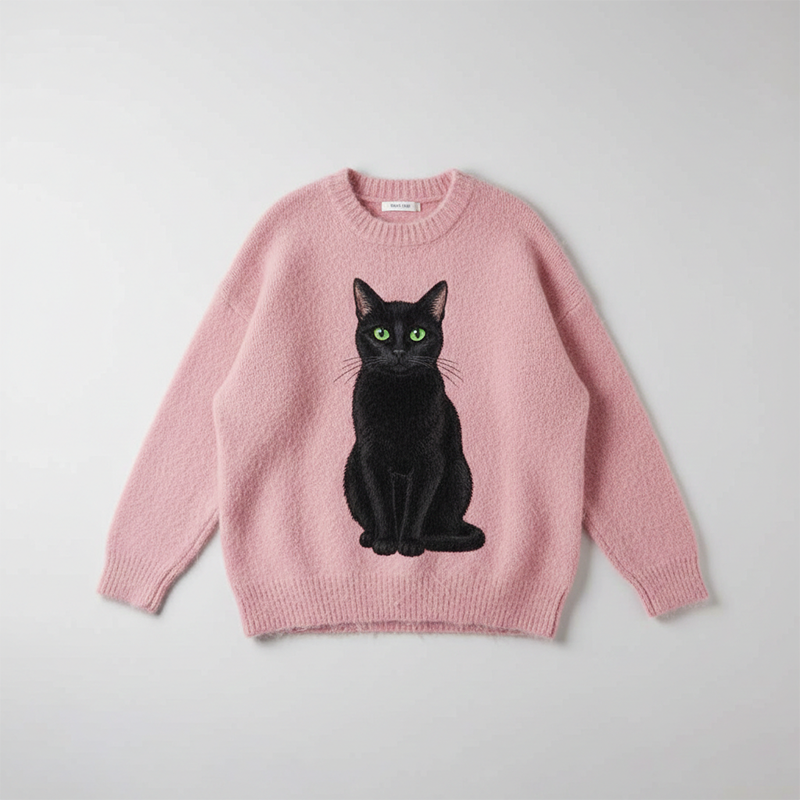
Your clothing image is just as important as the model image. For an ai clothes changer, pick garment photos that show shape clearly, with enough resolution to preserve texture details such as stitching, folds, and trims. Flat-lay and catalog shots both work, as long as the item is not heavily occluded. Strong contrast between garment and background can improve edge detection, especially for dark fabrics. If possible, avoid complex shadows that look like extra material. When garment structure is clear, the generated outfit looks more natural and believable.
How to Compare Variations Without Guesswork
The strongest workflow is iterative comparison, not one-shot generation. Use an ai clothes changer to test several options side by side: color variants, neckline shapes, outerwear layers, and accessory balance. Evaluate each image against practical criteria like realism, brand fit, and thumbnail readability. Ask simple review questions: Does the outfit look physically plausible, does it match your target audience, and does it maintain visual hierarchy in mobile view? Structured comparison helps teams avoid subjective debates and move toward decisions that are consistent across ecommerce, social media, and ads.
Keyword Coverage with Natural Language, Not Stuffing
If your page targets search demand around ai clothes changer, write for clarity first and keywords second. Include related phrasing such as AI outfit changer, virtual try-on tool, change clothes in photos, digital wardrobe testing, and online clothing swap to cover intent variation. Then connect those terms with concrete use cases so each sentence answers a real question. Search engines reward topical completeness when the copy is coherent and useful. Readers also stay longer when they understand what the tool does, who it helps, and how to get better results.
Privacy, Trust, and Operational Reliability
Adoption depends on trust as much as output quality. When people use an ai clothes changer, they upload personal images and expect predictable handling. Clear account controls, transparent billing, and understandable policies reduce friction for first-time users and teams evaluating procurement. Response time also matters: if generation is fast and stable, users can keep creative momentum while reviewing ideas. Reliability is not only about uptime; it includes consistent visual behavior across different images. A trustworthy product combines privacy hygiene, clear support channels, and reproducible generation quality.
How to Choose the Right AI Clothes Changer for Your Workflow
Choose an ai clothes changer based on workflow fit, not hype. Start with your main objective: conversion testing, creative concepting, or catalog planning. Then evaluate practical factors such as generation speed, output consistency, ease of use, credit pricing, and collaboration flow for teammates. A useful tool should help you move from idea to decision quickly while keeping quality standards high. If the platform makes it easy to compare outfit directions and iterate with confidence, it becomes a repeatable part of your production system instead of a one-time experiment.